

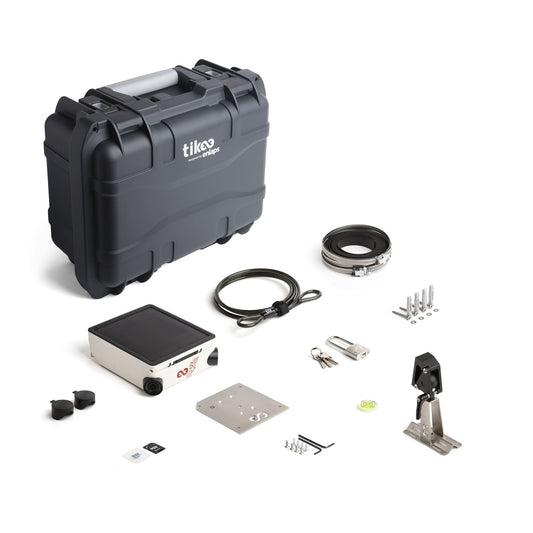
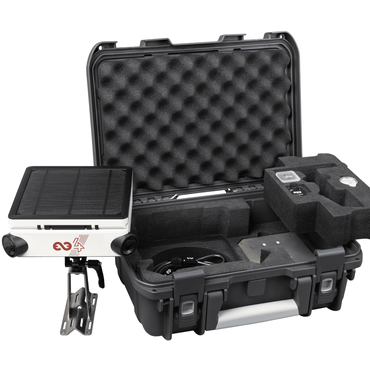
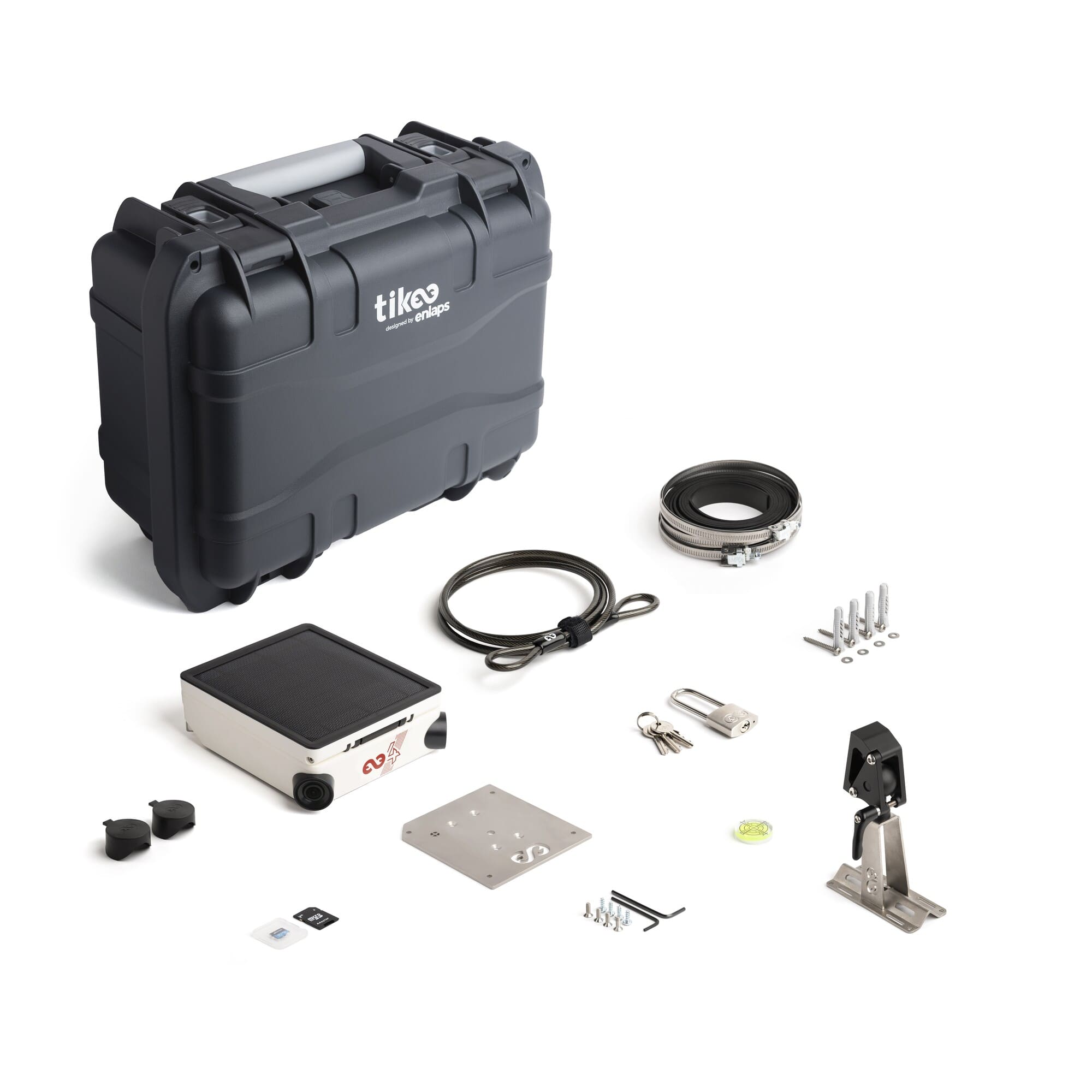
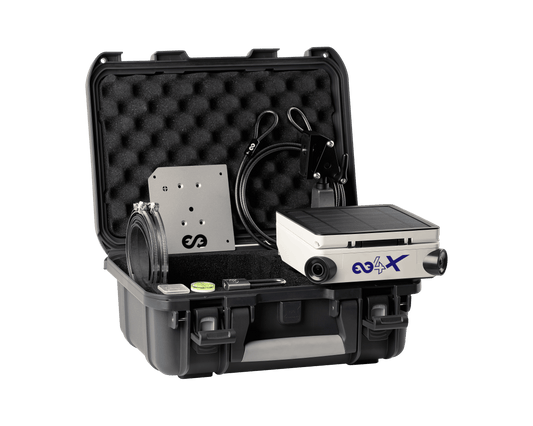

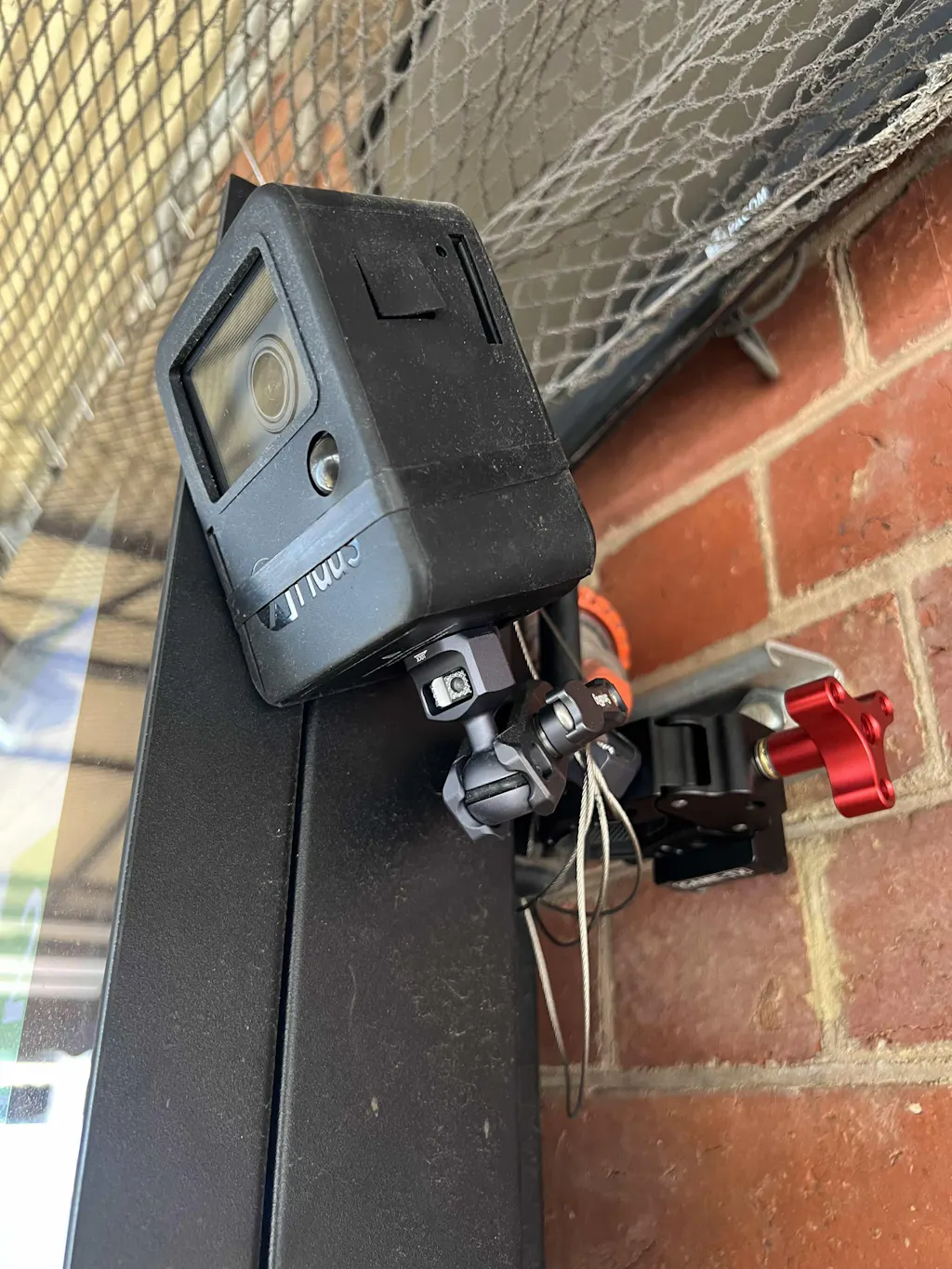
Recently purchased four of these units for a monitoring job . They performed well and met our needs for the project. Battery life was impressive, each unit captured 30,000+ frames over 7 days on four AA batteries. I like the ability to set capture windows (up to 4) and set which days of the week you want to capture. The app worked well – I like the image alignment function. Minus 1 star for the silicon weather cover which could be improved.
Absolutley epic, great service great products and will be a long timne returning customer
BCC2000 Plus and ATL230 - I originally got in touch with TimeLapseTech as I wanted to capture a residential construction project but didn't quite know what was the best camera for me. Their advice was very clear and helpful and I went with the BCC2000 Plus. So far it's been great. No issues with set-up and operations. Battery life is no problem with the housing case that is included and easy to control with extender cable via my laptop. Super easy to extract footage and great way to monitor progress of the job. Highly recommend the BCC2000 Plus camera and TimeLapseTech's customer service.
Given my very positive experience I then bought this ATL230 for the kids. It’s been really easy to use and set-up via the app. The kids love using it to capture various activities (e.g. art, buidling lego, cleaning their rooms if you can believe that!). It's been really fun to see the output. Great camera and fun!
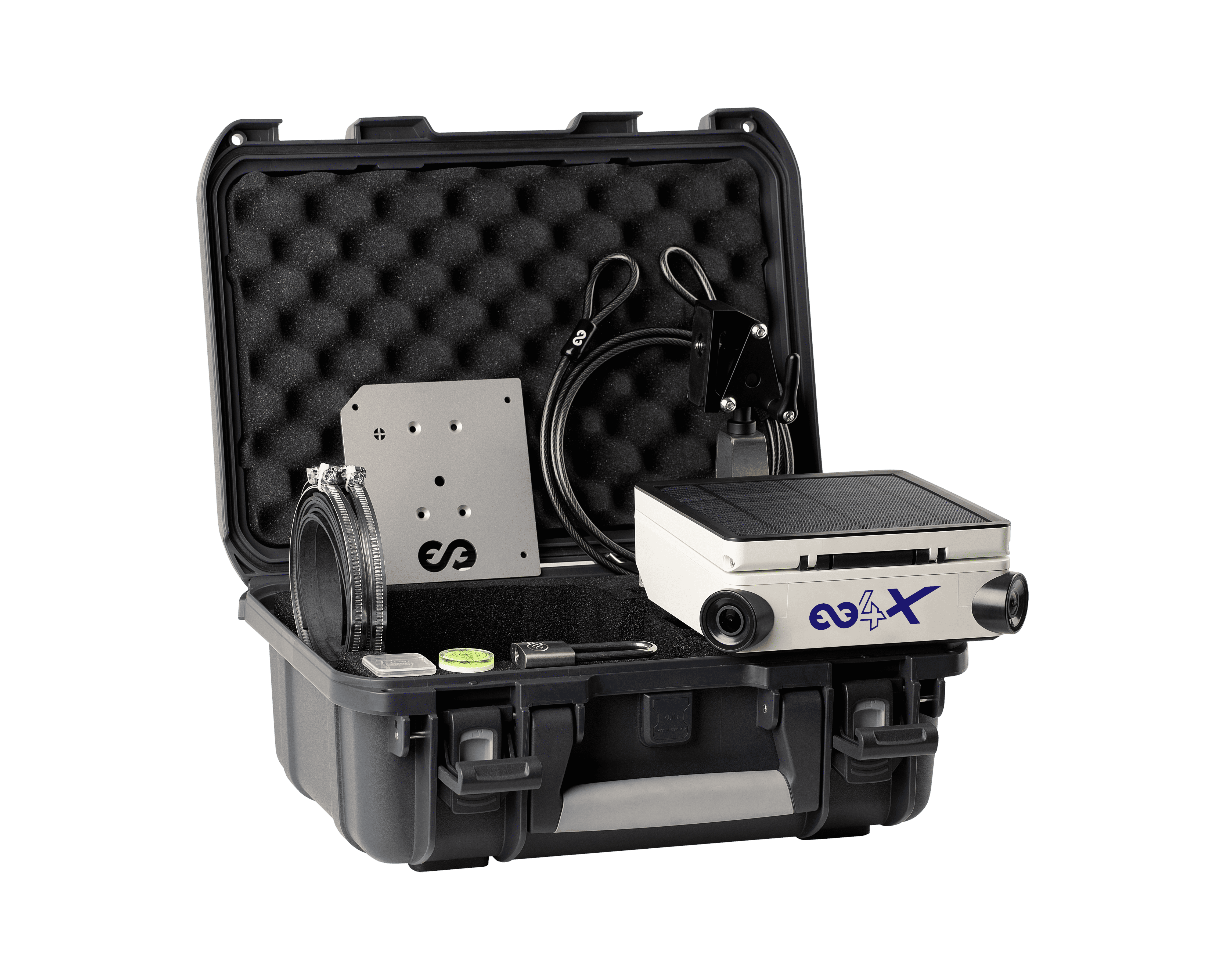
We recently installed two of the Solar 4G Timelapse Tikee 4 on two projects for our clients and the results have been outstanding.The image clarity ,reliability,and remote viewing features exceeded expectations-perfect for monitoring long-term construction projects.
The solar kit is a must for long term time lapse photography just set and forget 👍


